
Top 5 Renewable Technologies to Watch in 2025
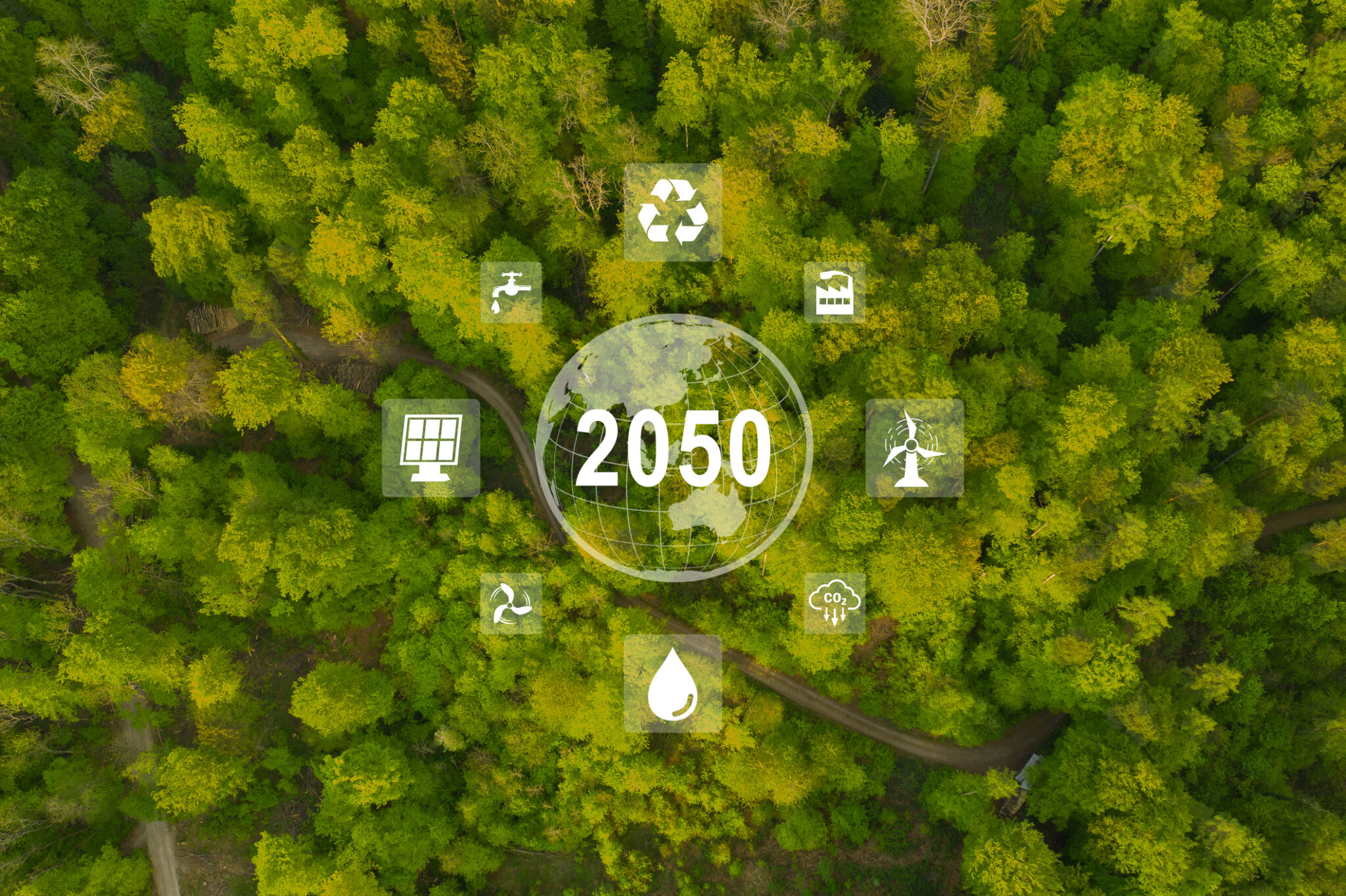
The renewable energy sector continues to evolve at a rapid pace, driven by technological innovation and the global push for sustainability. In 2025, several breakthrough technologies are poised to transform how we produce, store, and use clean energy. Staying informed about these developments is essential for businesses, governments, and individuals looking to optimise energy efficiency and reduce environmental impact.
1. Advanced Solar Panel Cleaning and Automation
Solar energy remains one of the most widely adopted renewable sources. However, efficiency is often compromised by dust, debris, and environmental conditions.
- Automated cleaning systems: Devices such as robotic cleaners and precision nozzle systems maintain panels without manual intervention.
- Real-time monitoring: Sensors track panel cleanliness and adjust cleaning cycles automatically.
- Energy maximisation: Clean panels can produce up to 30% more electricity, improving ROI for large-scale solar farms and residential installations.
Automated solar panel cleaning is becoming increasingly important as solar arrays expand in size and complexity, allowing for consistent energy production while reducing maintenance costs.
2. Atmospheric Water Generation (AWG)
Water scarcity is a pressing global issue, particularly in arid regions. Atmospheric water generation technology offers a sustainable solution by extracting water directly from air.
- Cyclic absorption technology: Uses advanced desiccants to capture moisture efficiently, even in low-humidity areas.
- Energy-efficient operation: Modern AWG systems consume up to 50% less energy than older models.
- Versatile applications: Residential, commercial, and humanitarian deployments are possible, providing clean water to those who need it most.
AWG is a game-changer for both communities and industries, providing reliable, environmentally responsible water solutions alongside renewable energy infrastructure.
3. Next-Generation Energy Storage Systems
Efficient storage of renewable energy is crucial for balancing supply and demand. Emerging technologies are making energy storage more reliable and cost-effective.
- Solid-state batteries: Offer higher energy density, improved safety, and longer lifespan compared to traditional lithium-ion batteries.
- Flow batteries: Ideal for large-scale industrial applications, these batteries store energy for extended periods with minimal degradation.
- Integrated microgrids: Combine storage with distributed generation to optimise energy use locally, reducing transmission losses.
Advanced energy storage ensures that renewable energy can be harnessed consistently, even when sunlight or wind is unavailable, supporting grid stability and resilience.
4. Floating Solar and Hybrid Energy Systems
As land availability becomes a constraint, floating solar panels are gaining traction. These systems are installed on water bodies, offering several benefits.
- Reduced land use: Utilises lakes, reservoirs, and industrial water surfaces without competing for farmland or urban space.
- Enhanced efficiency: Water cooling reduces panel temperature, improving energy output.
- Hybrid solutions: Floating solar can be integrated with hydropower or wind farms, optimising energy production.
Hybrid energy systems also allow for more flexible energy management, combining multiple renewable sources to deliver consistent power.
5. Green Hydrogen Production
Hydrogen is emerging as a versatile clean fuel for transportation, industry, and energy storage. Green hydrogen, produced via electrolysis powered by renewable energy, is particularly promising.
- Zero-emission fuel: Produces only water as a by-product, making it an ideal alternative to fossil fuels.
- Industrial applications: Supports steel production, ammonia manufacturing, and other heavy industries transitioning to sustainability.
- Scalable infrastructure: Investment in electrolyzers and storage systems is expanding rapidly, enabling regional and global adoption.
Green hydrogen complements other renewable technologies, offering a long-term solution for decarbonising sectors that are otherwise difficult to electrify.
Trends Driving Innovation in Renewable Technology
Several broader trends are accelerating the adoption of these technologies:
- Smart energy management: IoT-enabled systems optimise energy use, reduce waste, and improve operational efficiency.
- Government incentives: Policies and subsidies encourage investment in renewable infrastructure.
- Corporate sustainability commitments: Businesses are increasingly seeking clean energy solutions to reduce carbon footprints.
- Research and development: Continuous innovation is driving breakthroughs in materials, efficiency, and integration.
These trends highlight that renewable technologies are not just about generating energy—they are about creating integrated systems that support sustainable growth.
Why Staying Ahead Matters
Investing in emerging renewable technologies offers several benefits:
- Cost savings: Reduced energy consumption and operational efficiency improvements lower long-term expenses.
- Environmental responsibility: Adoption of clean technologies supports global sustainability goals.
- Energy security: Diversifying renewable sources mitigates reliance on fossil fuels and fluctuating markets.
- Competitive advantage: Early adoption positions companies and communities as leaders in innovation and environmental stewardship.
By keeping abreast of these technologies, decision-makers can make informed choices about future energy strategies.
Conclusion
The renewable energy landscape in 2025 is marked by innovation, integration, and efficiency. Automated solar panel cleaning, atmospheric water generation, advanced energy storage, floating solar, and green hydrogen are transforming how we produce and utilise energy. These technologies offer tangible benefits, including reduced environmental impact, operational cost savings, and enhanced energy security.
RCCTA CleanTech System brings together the best in renewable technology solutions, offering world-class solar panel cleaning systems and H2OLL atmospheric water generation units. Our solutions are designed to optimise energy and water efficiency while supporting sustainable growth. Contact us today to discover how our technologies can transform your operations.