
The Future of Water Generation in Dry Regions
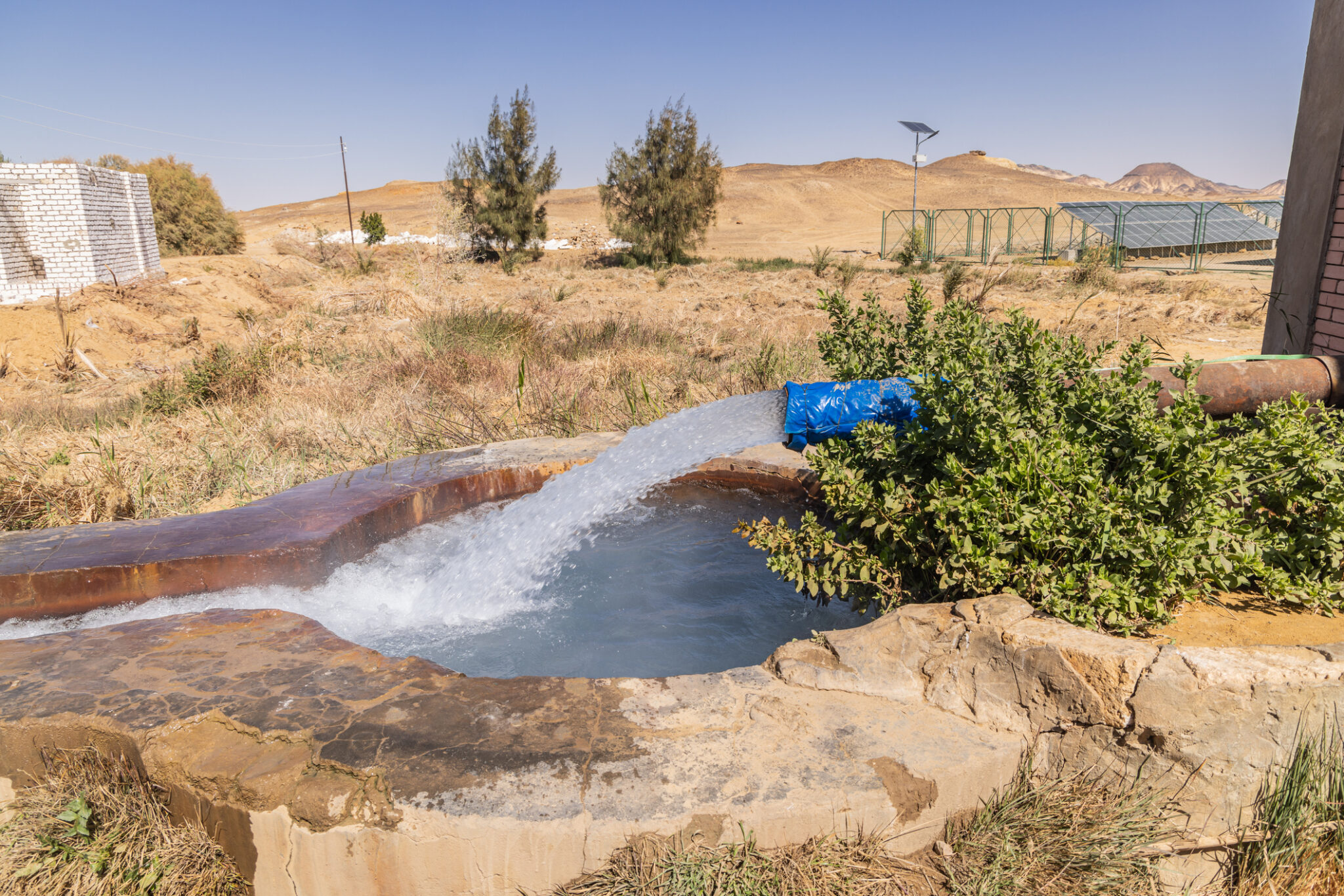
Water scarcity is a growing global concern, particularly in arid and semi-arid regions. Many communities face severe limitations on access to clean, safe drinking water. Traditional water sources such as rivers, lakes, and groundwater are either depleted or heavily polluted, leaving populations vulnerable.
Emerging technologies are beginning to transform how we source water. Among the most promising innovations is atmospheric water generation (AWG), which extracts water directly from air. This approach provides a reliable, sustainable alternative in areas where conventional water supply infrastructure is inadequate or nonexistent.
How Atmospheric Water Generation Works
Atmospheric water generators rely on the principle that air contains moisture, even in dry climates. By using advanced desiccant materials and thermodynamic cycles, AWG systems can capture water molecules efficiently.
The process typically involves four stages:
- Absorb: The system draws air in and captures water molecules using a specialized liquid desiccant.
- Regenerate: The desiccant is regenerated, releasing the absorbed moisture in a controlled cycle.
- Produce: The released vapor condenses into clean, potable water, ready for consumption.
- Mineralize & Serve: Essential minerals are added, and UV-LED treatment ensures freshness and safety.
This cycle allows AWG systems to operate even in environments with low humidity, dramatically increasing the availability of clean water.
Advantages of Modern AWG Systems
- Energy efficiency: Innovative systems consume up to 50% less energy than older technologies.
- Year-round operation: Advanced designs enable water production even during dry seasons with low atmospheric humidity.
- Scalability: Units can serve a single household, a commercial facility, or entire communities.
- Minimal environmental impact: No need for dams, pipelines, or groundwater extraction.
AWG is a game-changer for remote communities, military bases, emergency response scenarios, and arid urban areas. It provides independence from traditional water infrastructure, which can be unreliable or expensive to maintain.
Technological Breakthroughs Driving AWG Efficiency
Recent innovations have dramatically improved the feasibility of atmospheric water generation in dry zones. These include:
- Cyclic Absorption Technology: Optimized desiccants and thermodynamic cycles allow higher water capture rates even in low-humidity conditions.
- Modular Designs: Systems can be combined to meet varying water demands, from small-scale residential units to industrial applications.
- Smart Monitoring: Integrated sensors track performance, detect system inefficiencies, and adjust operations automatically.
- Sustainability Enhancements: Reduced energy consumption and advanced water recycling features make AWG systems more eco-friendly.
Such advancements ensure that AWG is not only a reliable water source but also a cost-effective and environmentally responsible solution.
Applications Across Sectors
- Residential communities: Homes in arid areas gain consistent access to potable water without relying on trucking or municipal supply.
- Agriculture: Crops benefit from locally sourced water, reducing dependency on stressed groundwater or rivers.
- Commercial and industrial facilities: Facilities can maintain operations with a secure water supply, supporting manufacturing, energy production, and other water-intensive processes.
- Humanitarian aid: Emergency deployments provide clean drinking water to disaster zones quickly and efficiently.
Each application highlights the versatility of AWG technology and its potential to address some of the most pressing water challenges worldwide.
Challenges and Considerations
While AWG technology is transformative, it is not without challenges.
- Initial investment: High-efficiency systems can require significant upfront costs, although these are offset by long-term benefits.
- Energy availability: Reliable power sources are necessary to operate the system, though renewable integrations such as solar can mitigate this.
- Maintenance: Regular monitoring and minor maintenance are essential to ensure optimal water quality and system longevity.
- Climatic limitations: Extremely low humidity areas may see lower output, but advanced desiccant technologies are mitigating this issue.
Understanding these factors is crucial for selecting the right system for a given environment and ensuring sustainable water generation over time.
Future Prospects for AWG Technology
The future of atmospheric water generation is promising. Research continues to improve:
- Energy efficiency: New materials and cycles reduce electricity usage further.
- Water output: Systems are being engineered to produce larger volumes for community-level consumption.
- Integration with renewable energy: Solar-powered AWG units offer off-grid solutions for remote or disaster-affected areas.
- Smart infrastructure compatibility: AWG systems are being designed to integrate with smart water management and IoT platforms.
As adoption increases, we can expect a significant reduction in water scarcity risks, particularly in regions traditionally considered uninhabitable or water-stressed.
Conclusion
Atmospheric water generation represents a revolutionary solution to global water scarcity, especially in dry regions. By leveraging advanced desiccant technologies and energy-efficient designs, AWG systems provide reliable, clean water year-round. These systems are scalable, environmentally friendly, and increasingly cost-effective, making them suitable for households, businesses, and entire communities.
RCCTA CleanTech System is at the forefront of this innovation with its H2OLL AWG technology. Our solutions deliver clean, reliable water even in arid zones, using half the energy of traditional systems. Contact us today to explore tailored solutions for your water needs.